Medical technology refers to the use of advanced tools, devices, software, and systems to diagnose, treat, and monitor medical conditions. It plays a vital role in modern healthcare by improving patient care, increasing accuracy in diagnosis, and enhancing treatment outcomes.
From imaging equipment like MRI and CT scanners to wearable health monitors and robotic surgery systems, medical technology helps healthcare professionals deliver faster and more precise care. Digital health records, telemedicine, and AI-based diagnostics have further transformed how medical services are provided.
One of the biggest advantages of medical technology is early detection. Advanced diagnostic tools allow doctors to identify diseases at an early stage, increasing the chances of successful treatment. Medical technology also reduces human error and supports personalized treatment plans.
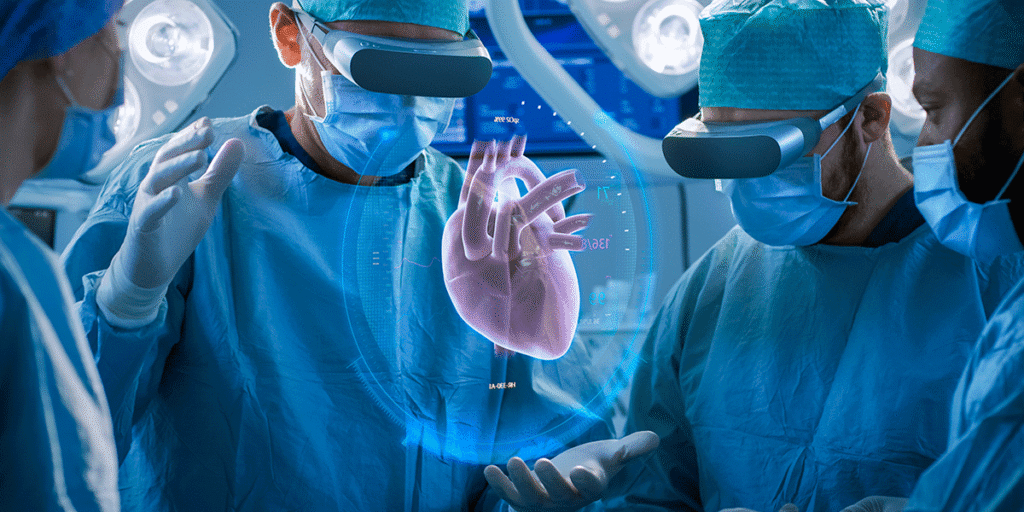
Patient safety and data security are critical aspects of medical technology. Secure digital systems protect sensitive health information, while automated tools ensure consistency and reliability in healthcare processes.
As technology continues to evolve, medical technology will play an even greater role in improving global healthcare, extending life expectancy, and making medical services more accessible and efficient.
Frequently Asked Questions (FAQs) About Medical Technology
1. What is medical technology?
Medical technology involves tools and systems used to diagnose, treat, and monitor patients.
2. Where is medical technology used?
It is used in hospitals, clinics, laboratories, and home healthcare settings.
3. What are examples of medical technology?
Examples include MRI machines, ventilators, robotic surgery, and wearable health devices.
4. How does medical technology help patients?
It improves diagnosis accuracy, treatment effectiveness, and patient safety.
5. What role does AI play in medical technology?
AI helps analyze medical data, detect diseases, and support clinical decisions.
6. Is medical technology safe?
Yes, medical devices are tested and regulated to ensure safety and effectiveness.
7. What is telemedicine?
Telemedicine allows patients to consult doctors remotely using digital platforms.
8. Can medical technology reduce healthcare costs?
Yes, it improves efficiency and reduces long-term treatment costs.
9. Is medical technology a good career field?
Yes, it offers strong job demand and opportunities in healthcare innovation.
10. What is the future of medical technology?
The future includes AI-driven diagnostics, personalized medicine, and advanced medical devices.