Technology has become an essential part of modern life, changing the way people communicate, work, learn, and live. From smartphones and the internet to artificial intelligence and smart devices, technological advancements are shaping society in powerful ways.
Communication has been revolutionized by technology. Social media, video calls, and instant messaging allow people to stay connected across the globe in real time. In the workplace, technology has enabled remote work, digital collaboration, and automation, increasing productivity and flexibility.
Education has also transformed through technology. Online learning platforms, virtual classrooms, and digital resources make education more accessible and personalized. Students can learn anytime and anywhere, breaking traditional barriers to knowledge.
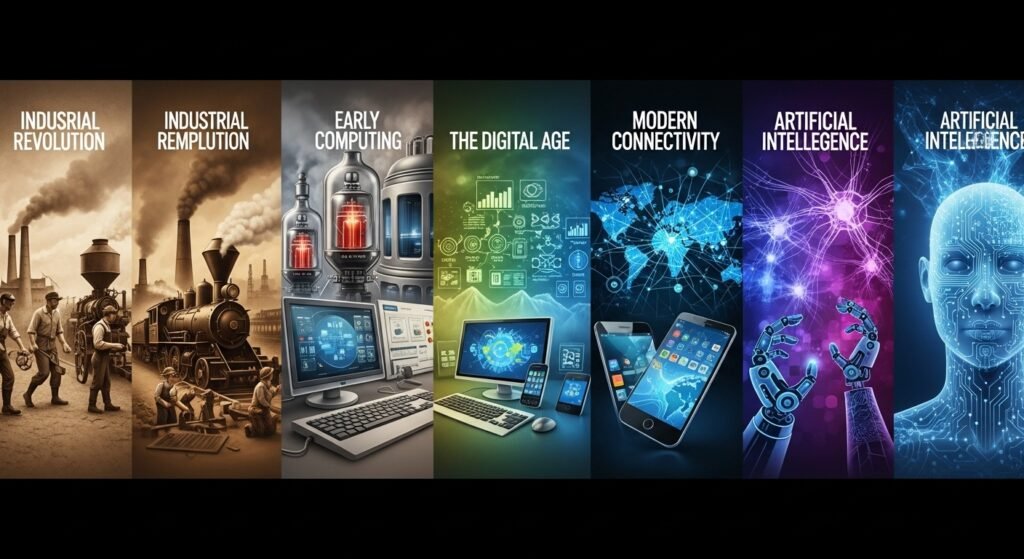
In healthcare, technology improves diagnosis, treatment, and patient care. Telemedicine, wearable health devices, and AI-based tools help doctors monitor patients and detect diseases early. Technology also enhances lifestyle convenience through smart homes, online shopping, digital payments, and navigation systems.
Despite its benefits, technology presents challenges such as privacy concerns, cybersecurity risks, and overdependence. However, when used responsibly, technology continues to improve quality of life and drive innovation, shaping a smarter and more connected future.
Frequently Asked Questions (FAQs)
1. How is technology changing daily life?
Technology improves communication, convenience, productivity, and access to information.
2. What role does technology play in communication?
It enables instant messaging, video calls, and global connectivity.
3. How has technology affected education?
It supports online learning, digital classrooms, and personalized education.
4. How does technology help businesses?
It increases efficiency, automation, and data-driven decision-making.
5. What impact does technology have on healthcare?
It improves diagnosis, treatment, remote care, and health monitoring.
6. Is technology making life easier?
Yes, technology simplifies tasks and saves time in everyday activities.
7. What are the negative effects of technology?
Privacy issues, cybersecurity threats, and screen addiction.
8. How does technology support smart living?
Through smart homes, wearable devices, and intelligent systems.
9. What is the future of technology in daily life?
Greater automation, AI integration, and smarter cities.
10. How can technology be used responsibly?
By protecting data, maintaining balance, and using ethical practices.